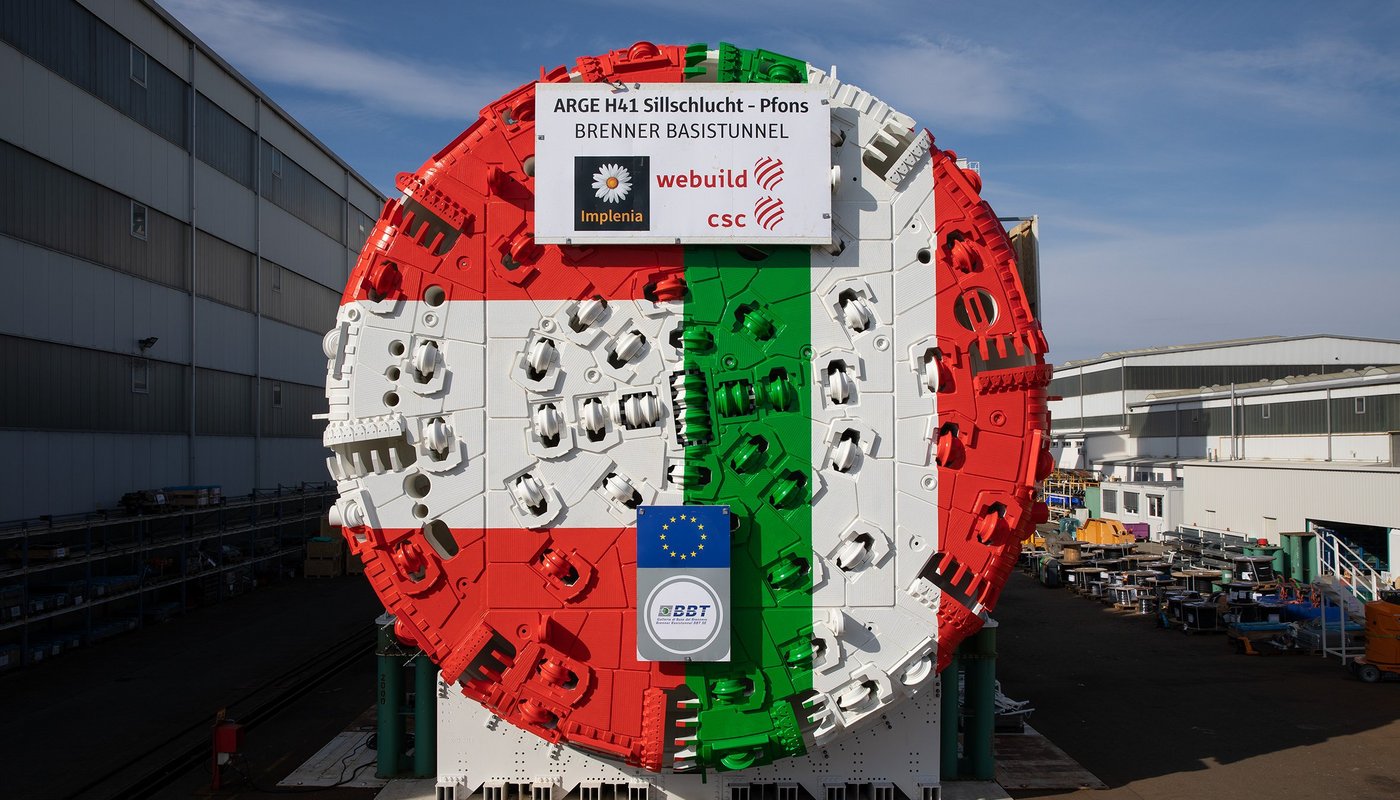
THE TBM IN FIGURES
Cutter head diametre
TBM total length
Driving power (6.188 PS)
TBM total weight
installed by TBM Ida to form the inner lining
BREAKTHROUGH IN THE WEST MAIN TUNNEL
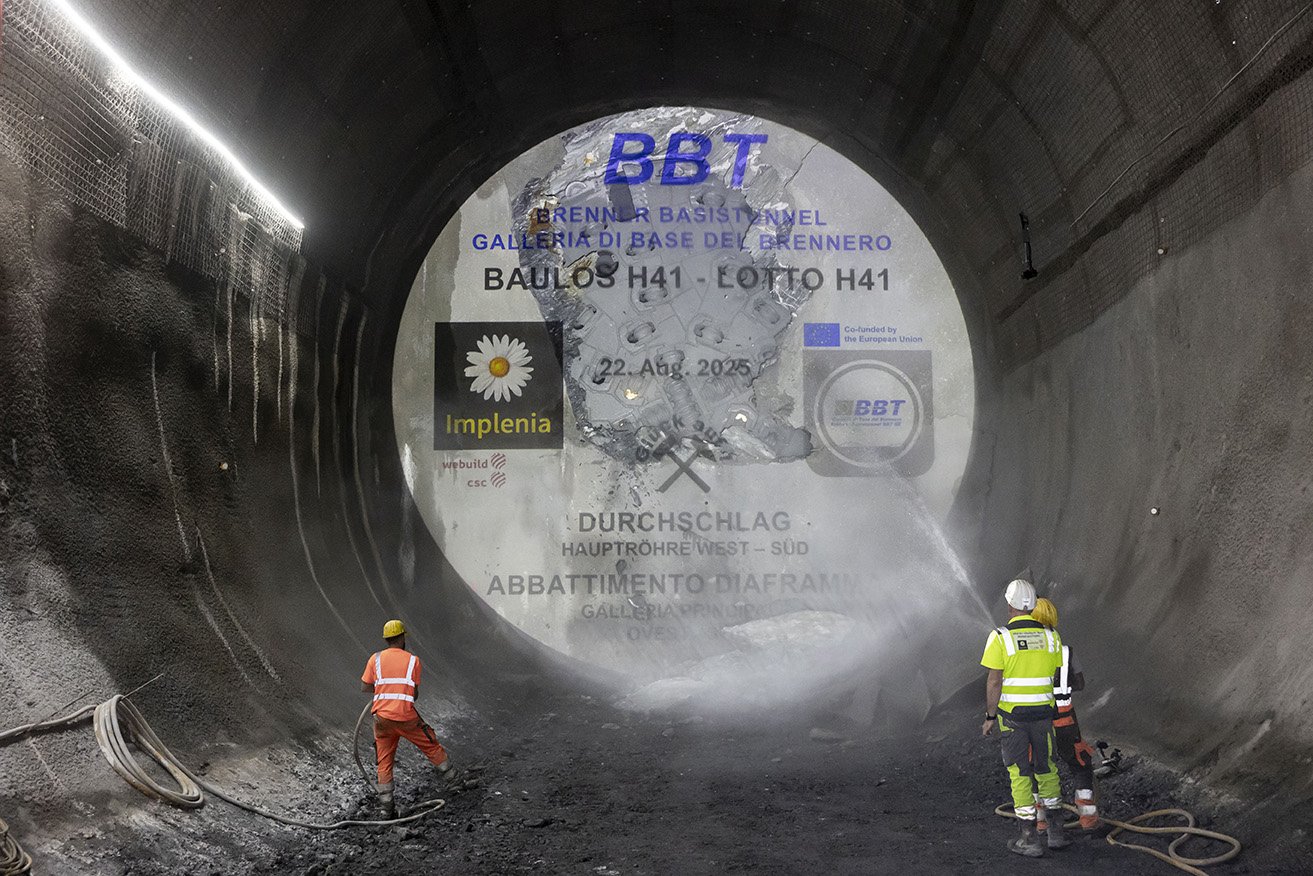
After about 26 months of steady work, the tunnel boring machine 'Ida’ has successfully completed the first breakthrough of a main tunnel tube on the Austrian side of the project.
The breakthrough point is located within the municipality of Navis (Wipptal), in the existing auxiliary drivage known as “IRIS,” which borders the H53 Pfons-Brenner construction lot. The breakthrough into the “IRIS” area was achieved with a deviation of just 3 millimetres in width and 18 millimetres in height.
In modern tunnelling, auxiliary access tunnels play an important complementary role in ensuring the safe excavation of the main tunnel.
GEOLOGY
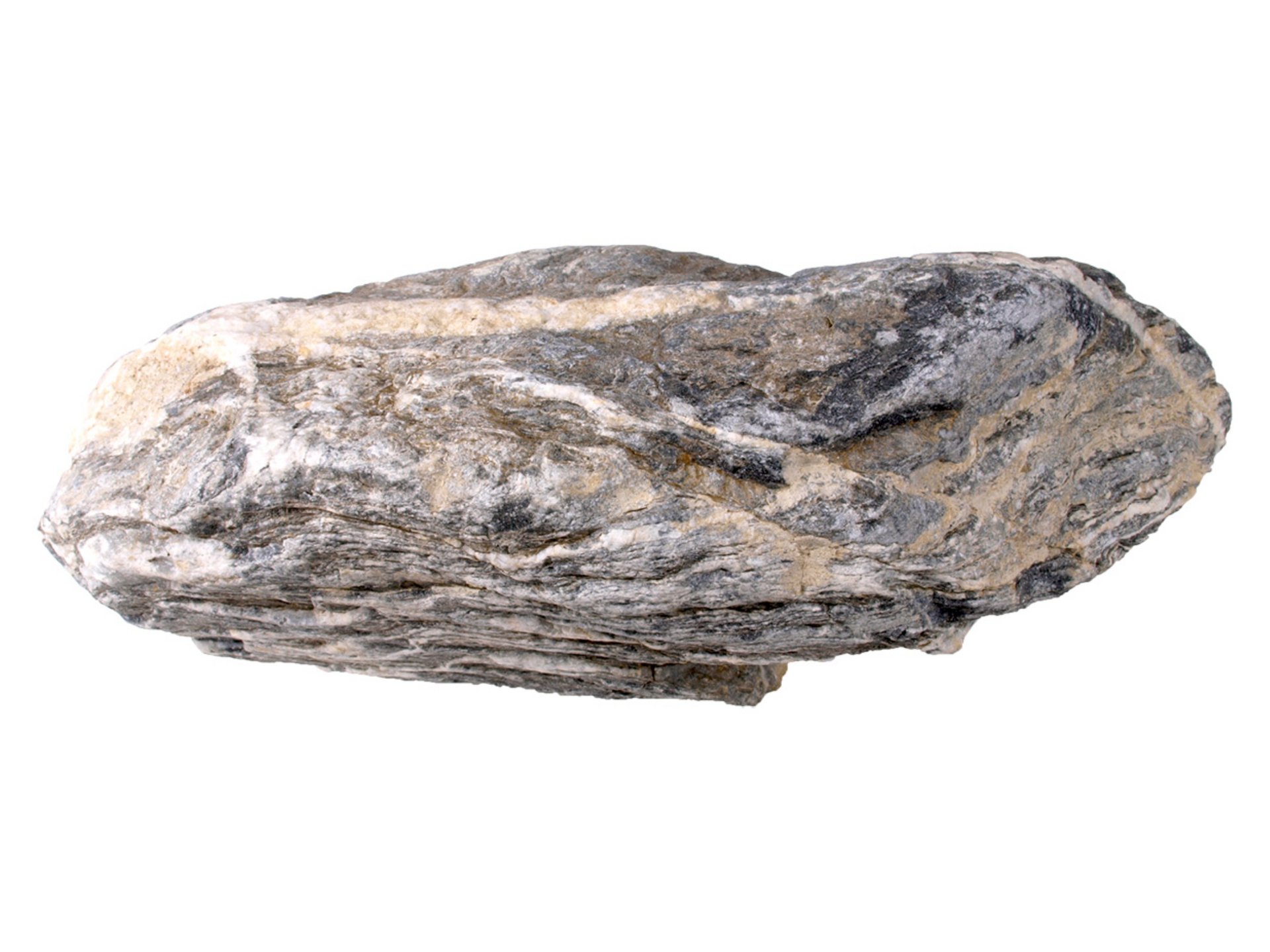
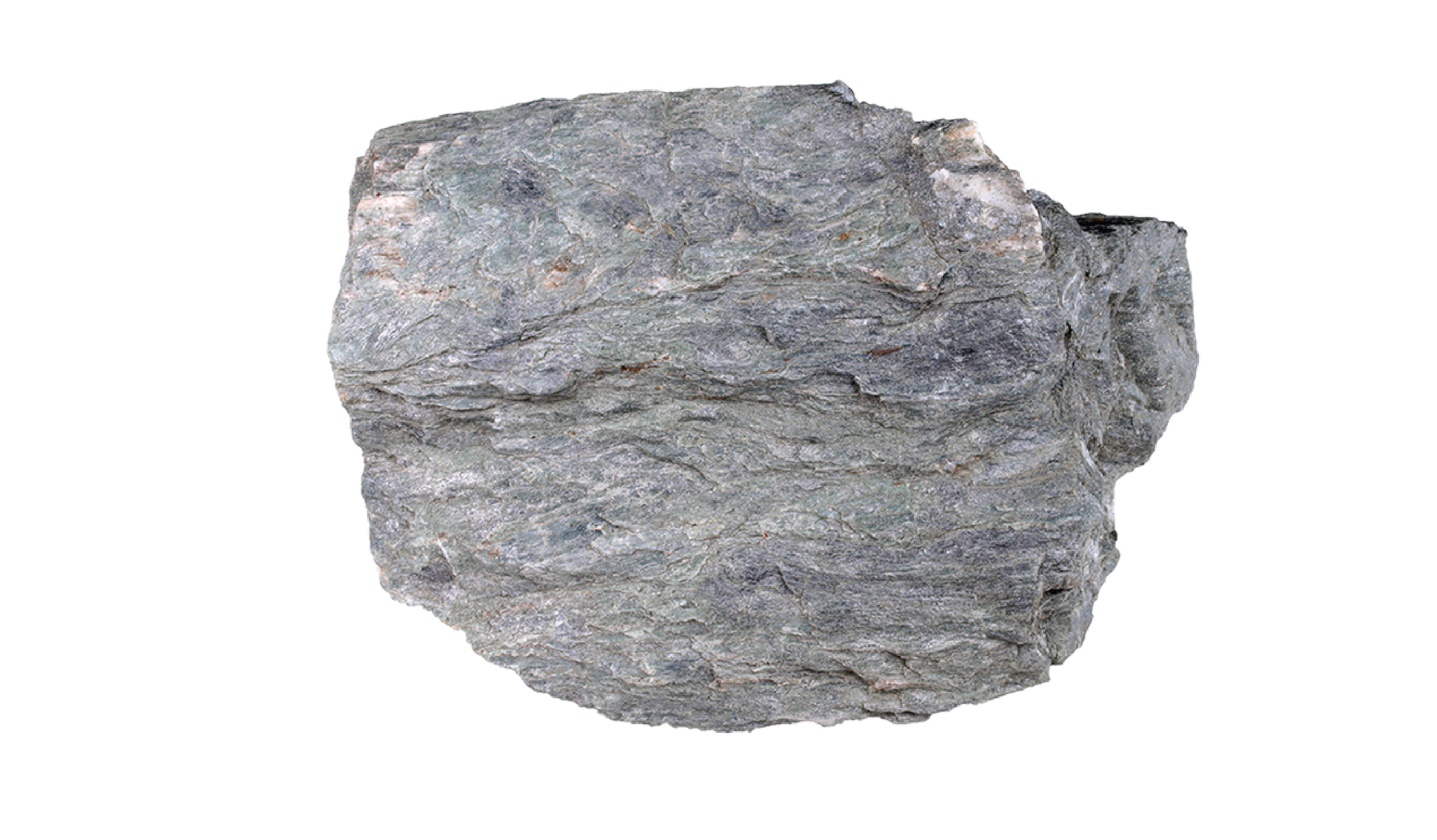
Bündner schists: Heavily schistose, these rocks are mainly made up of quartz, mica and calcite. The source material was deposited on the ocean floor during the Mesozoic era. During the formation of the Alps, these rocks were transformed into schist. The Mesozoic Era (also known as the “Reptilian Age”) is a geological era that began approximately 252 million years ago and ended around 66 million years ago. Mountain building, or orogeny, refers to the formation of mountain ranges through the deformation of rock masses over geological timescales.
Quarzphyllite: A fine-grained, strongly foliated rock consisting mainly of quartz and mica. The original rocks were deposited during the Palaeozoic Era and were later transformed into phyllites under increased pressure and temperature during subsequent mountain-building processes. The Palaeozoic (also known as the Paleozoic Era or the “Age of Ancient Life”) spans the geological period from approximately 538.8 to around 251.9 million years ago.
DISMANTLING
The auxiliary drivage in the “IRIS” fault zone served two important purposes: It served both as the breakthrough point at the end of the excavation drives of TBMs Wilma, Olga, Ida and Lilia, and as a disassembly chamber where the four machines were disassembled and prepared for removal from the site.

DISTINCTIVE FEATURES OF TBM IDA
80,000 Individual components – one machine
In February 2023, the formal inspection of the TBM took place at the manufacturer on site, as part of the factory inspection test and approval. The machine was then dismantled and transported in a total of 130 specialised and complex heavy-load, oversized and night-time transport operations, first to the construction site in Ahrental, south of Innsbruck, and from there down into the western assembly chamber inside the tunnel.
For three months, experienced fitters reassembled the machine and made it ready for operation.
It was a real challenge, as around 80,000 individual components had to be assembled here to build the TBM, including its backup structure.
HOW IDA GOT ITS NAME
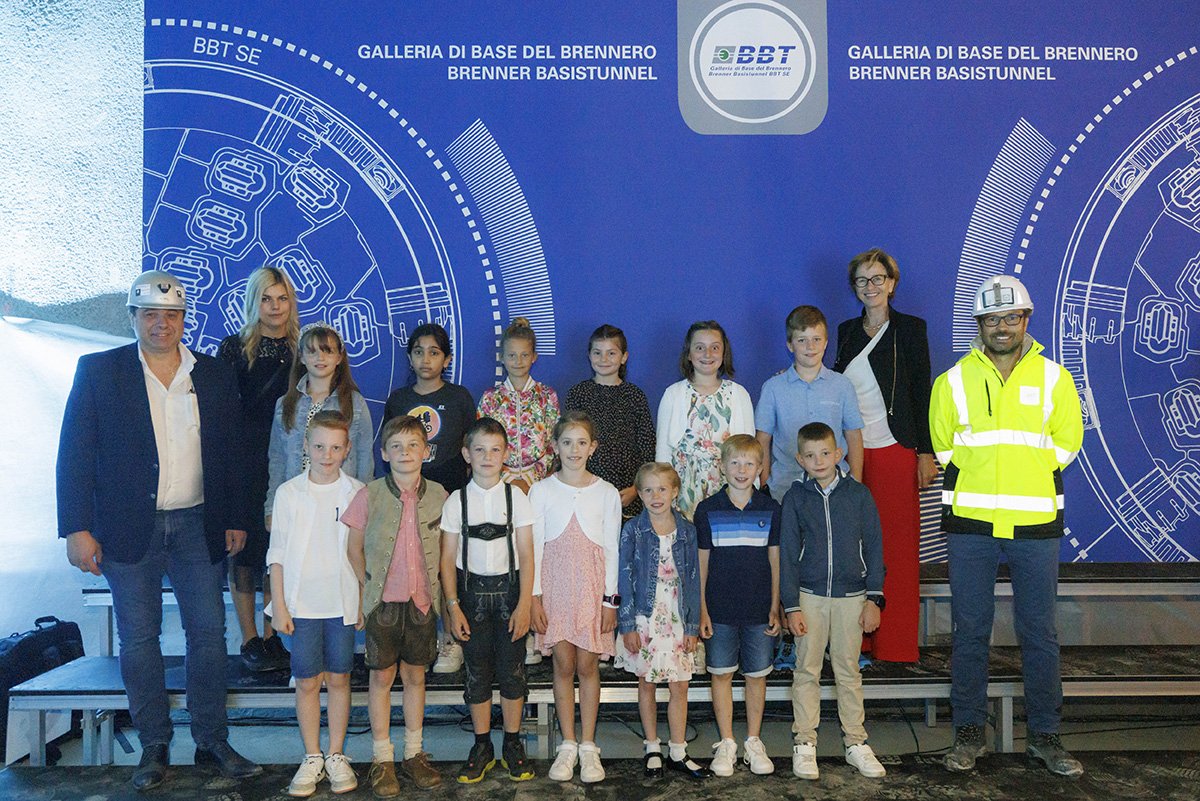
The name of this TBM was chosen through a school-wide naming competition. The TBM was christened 'Ida’ by 3rd graders at Navis Primary School — the machine was named after a calf on one of the students' farms. The name symbolises diligence and hard work.
The children accompanied ‘their Ida’ throughout the entire project. At the beginning and end of Ida’s journey, they were even allowed to put their own designs on one of the last tubbing segments – precast concrete elements used to line the tunnel wall.