IN THE BEGINNING, IT WAS “JUST” AN EXPLORATORY TUNNEL
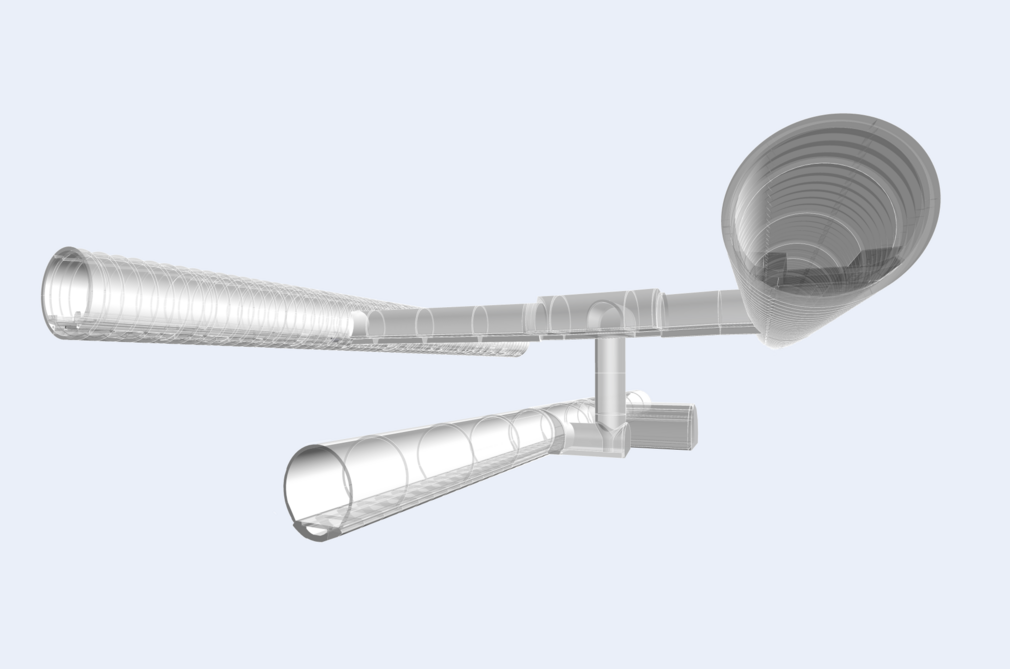
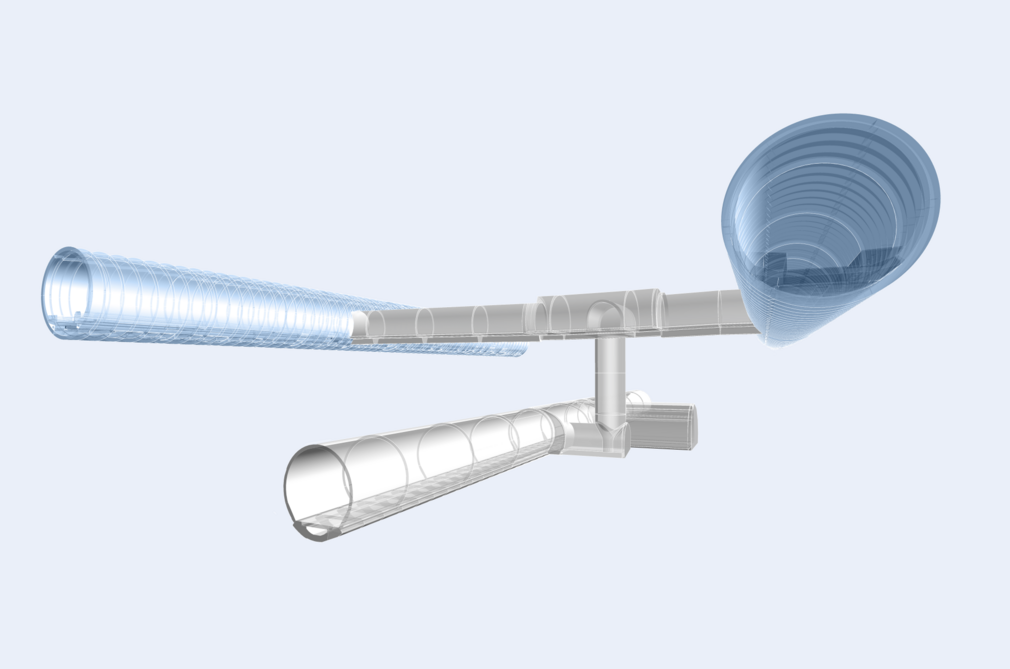
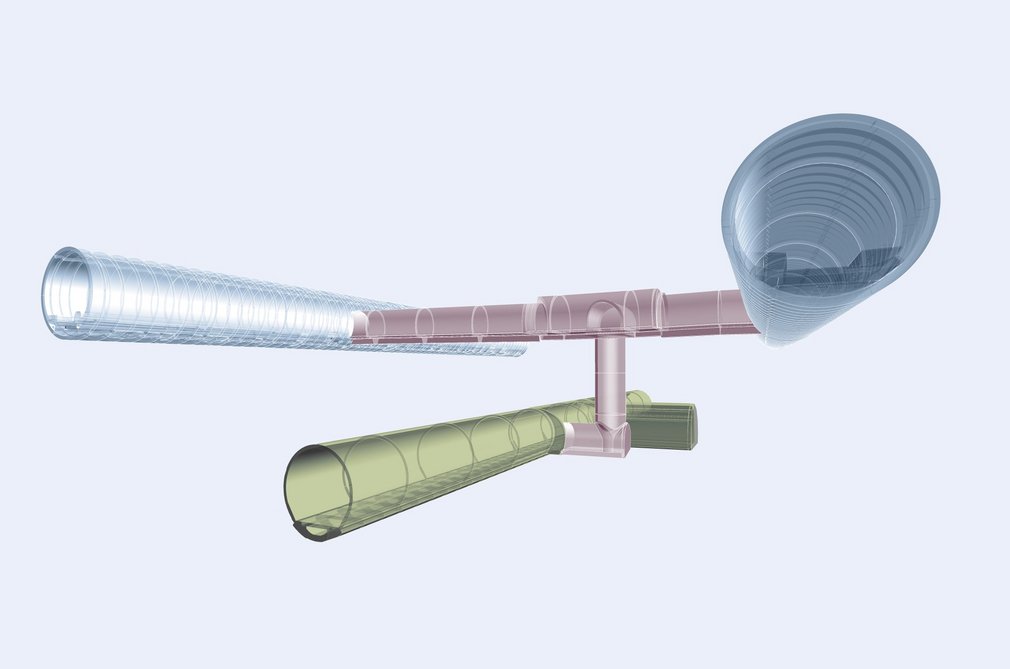
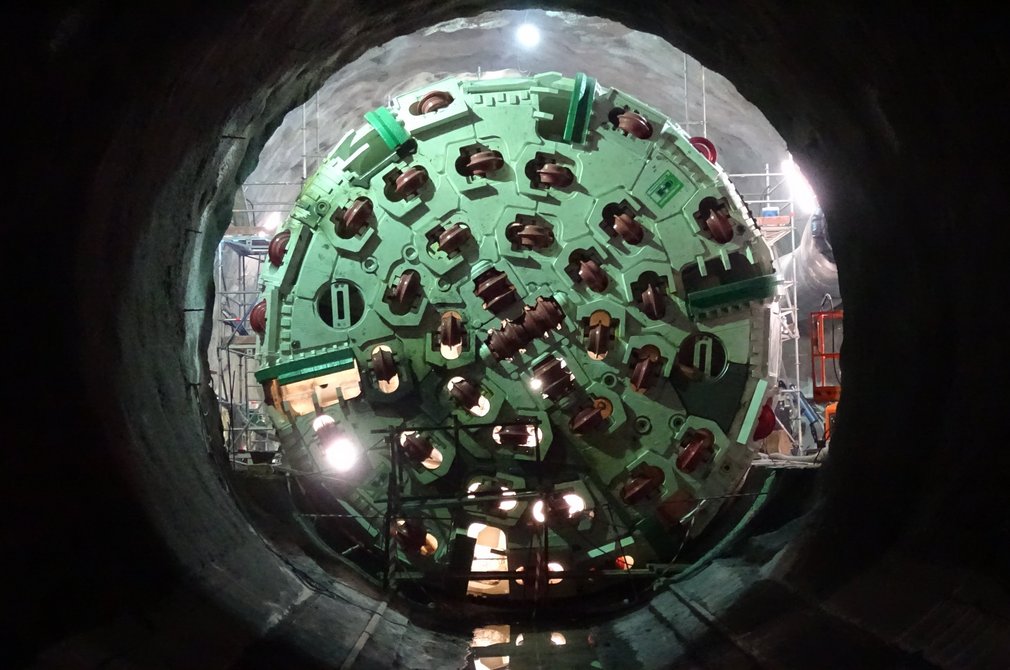
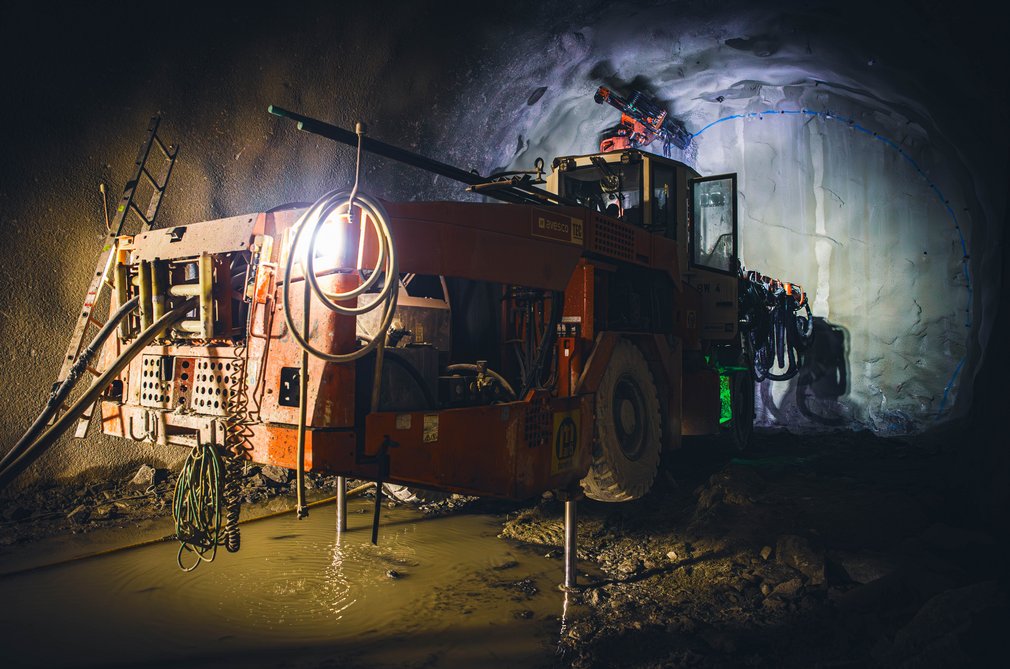
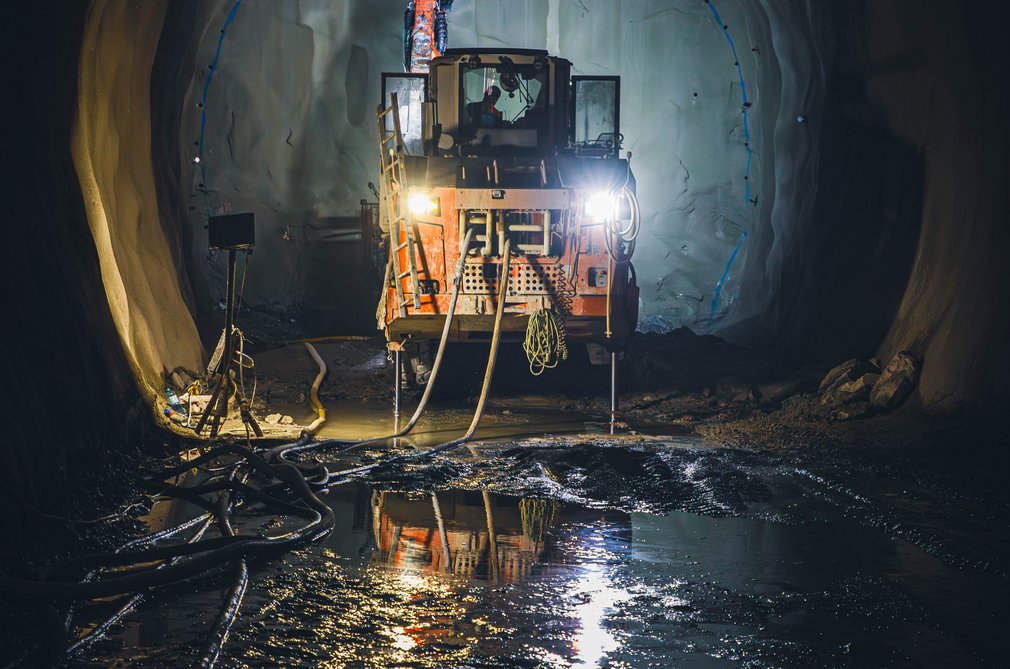
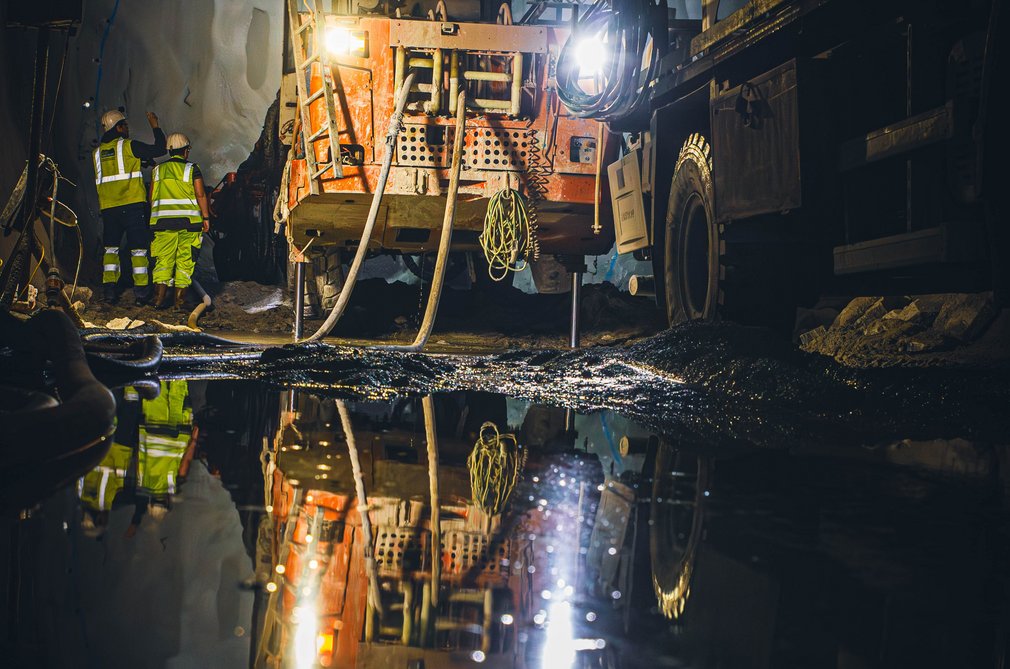
- The third tunnel, which in the beginning was an exploratory tunnel, was excavated both by drilling and blasting and by tunnel boring machines.
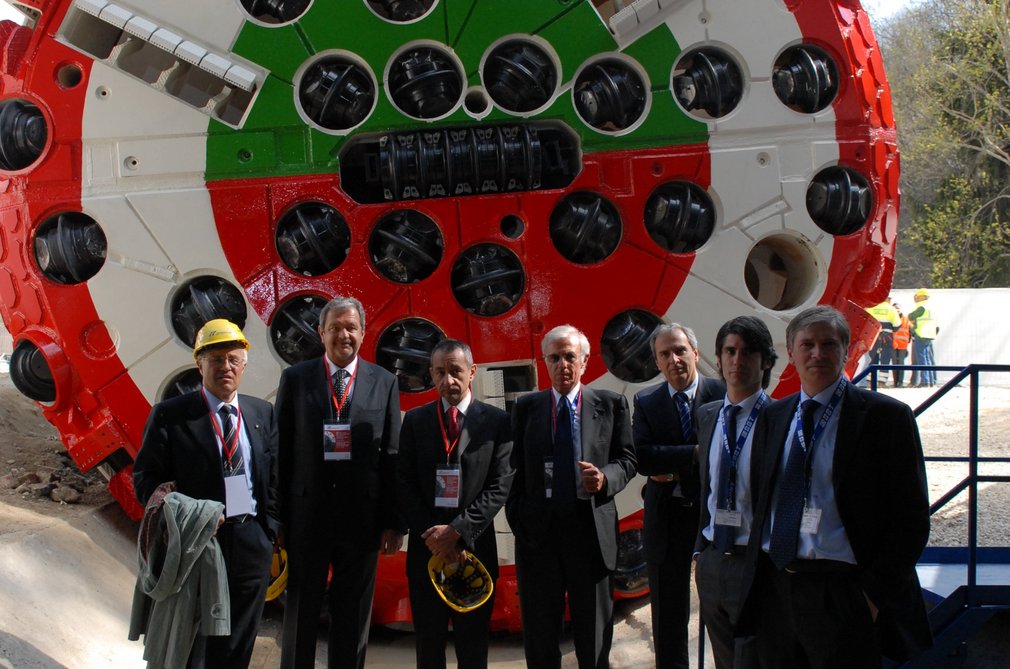
- The excavation work began in Italy in 2008 with two tunnel boring machines, named Clio and Serena, and in Austria in 2009. In Austria, excavation was carried out using both drilling and blasting and an “open” tunnel boring machine named Günther.
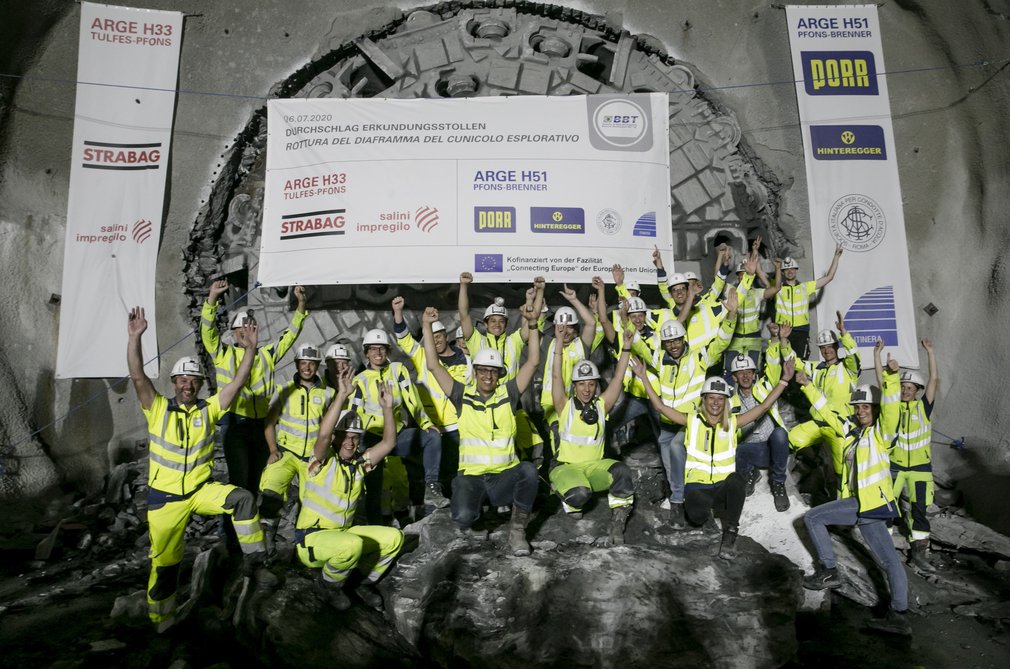
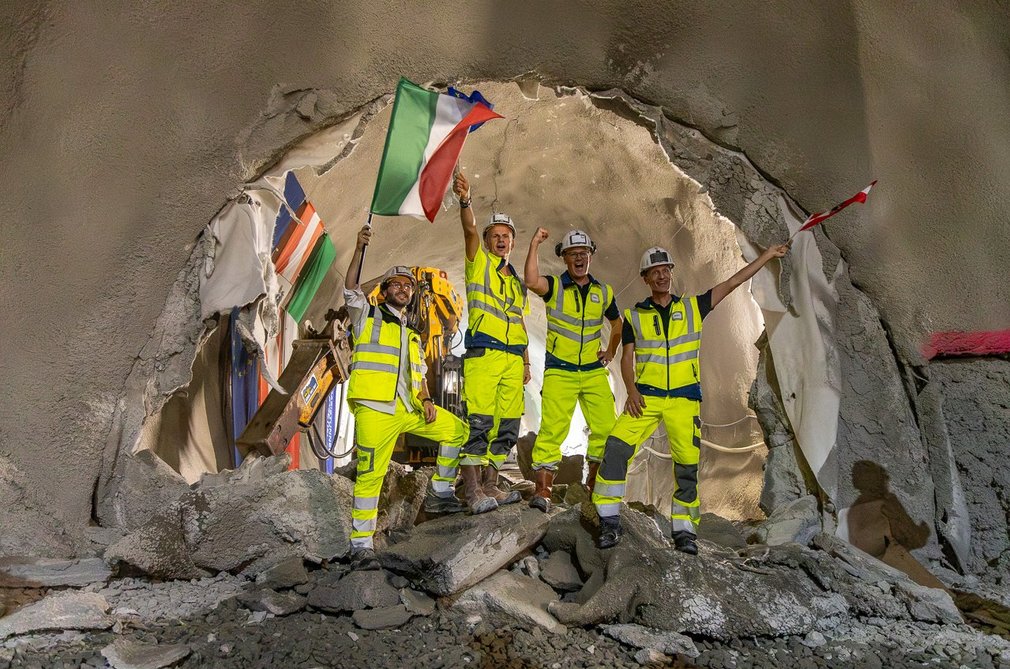
- The excavation of the exploratory tunnel was completed on September 18th, 2025; with the final breakthrough of the southward excavation in the Pfons-Brenner H53 lot, Austria and Italy were finally linked, for the first time, at 1,400 metres beneath the Alps.
- Driving the exploratory tunnel before excavating the main tunnels was very important in the geological prospection phase; this allowed our geologists to prospect and analyse the rock mass to predict risks and dangers, which in turn made it possible to optimise the construction phase, choose the best excavation method and plan appropriate safety measures.
In length
Below the main tunnels
Excavated with TBM
Excavated with D&B
FROM EXPLORATORY TUNNEL TO THE LOGISTICS HUB OF THE BBT
After the exploratory and prospection phase, the third tunnel had already taken on an important role during the construction of the BBT, as a fundamental hub for construction site logistics.
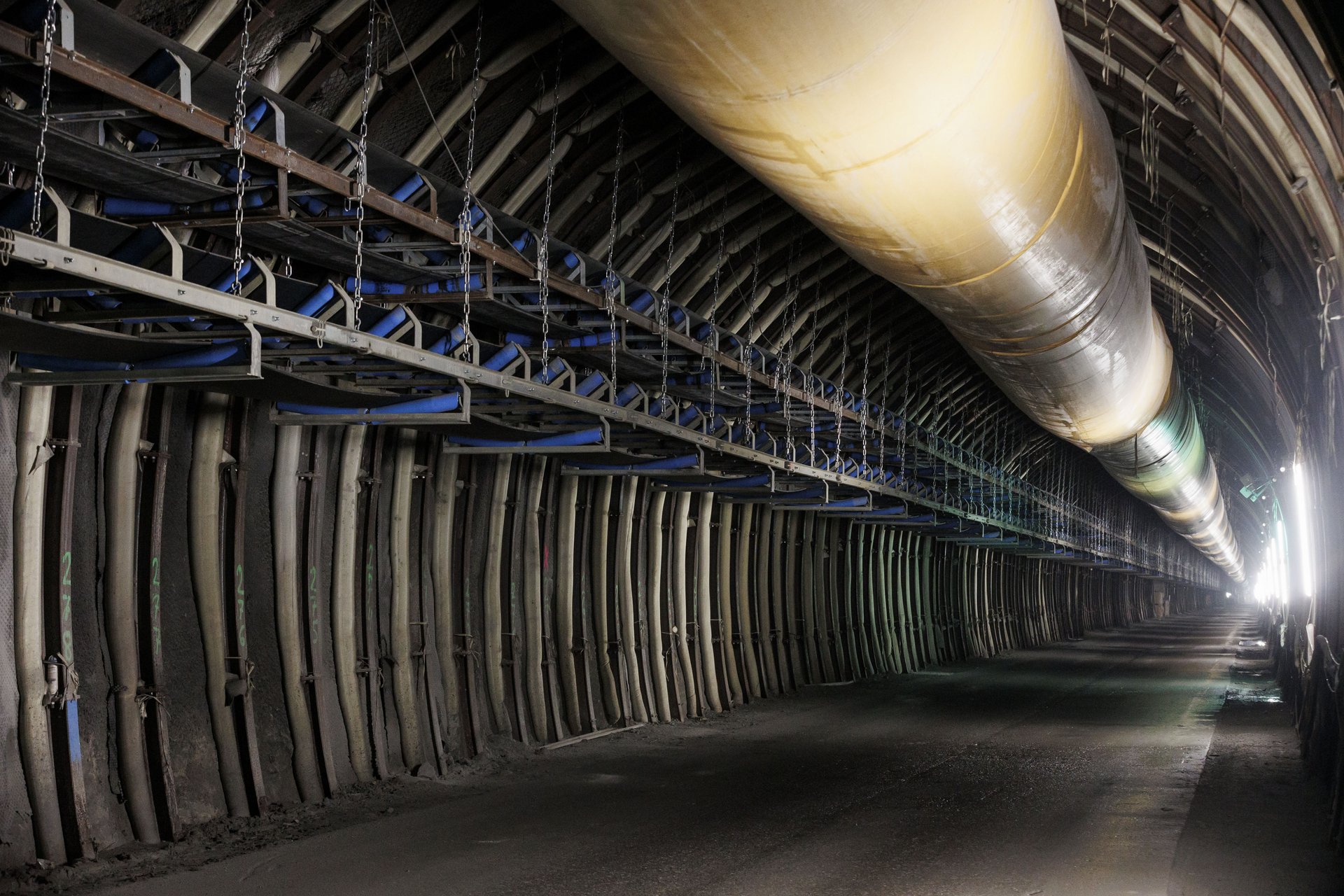
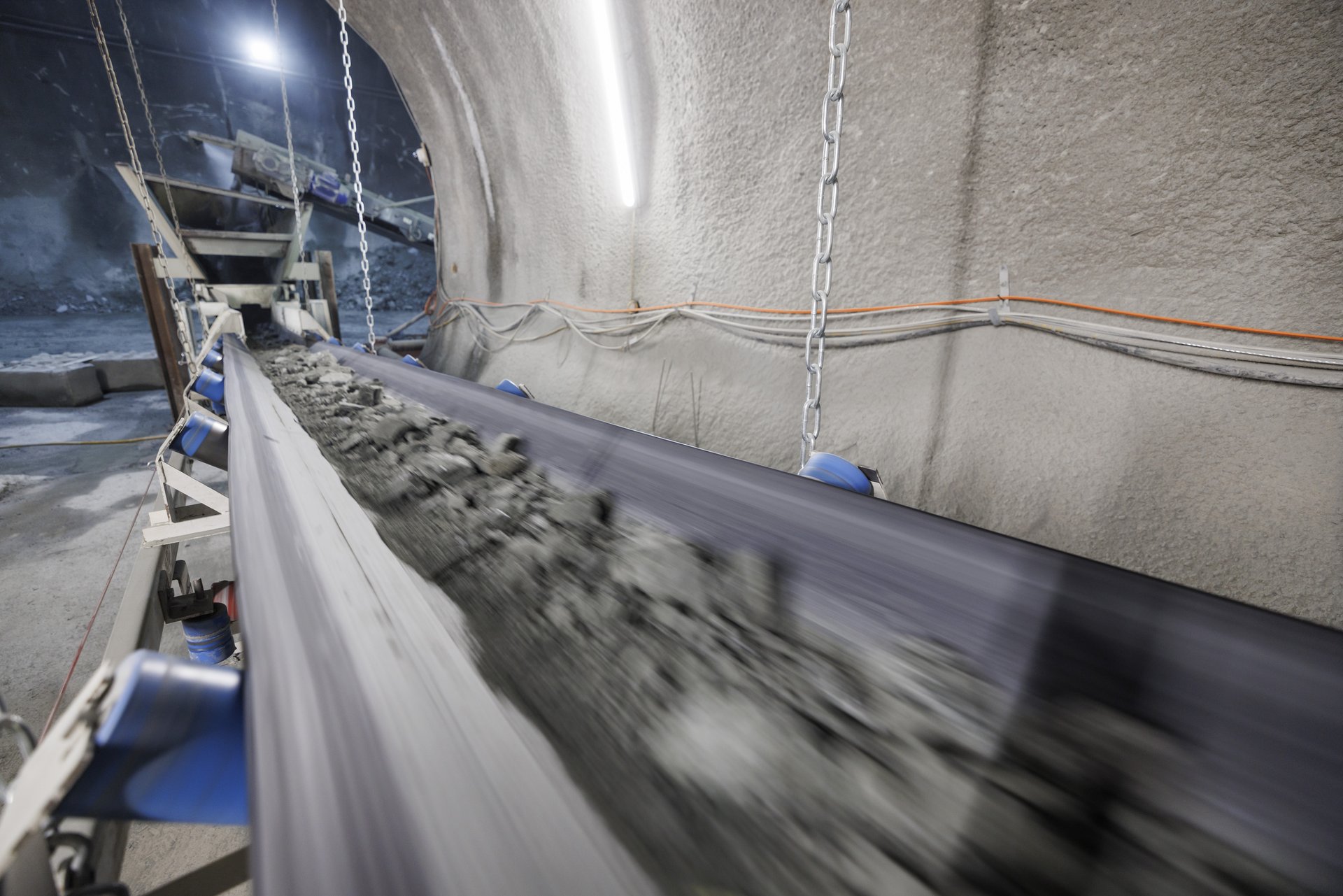
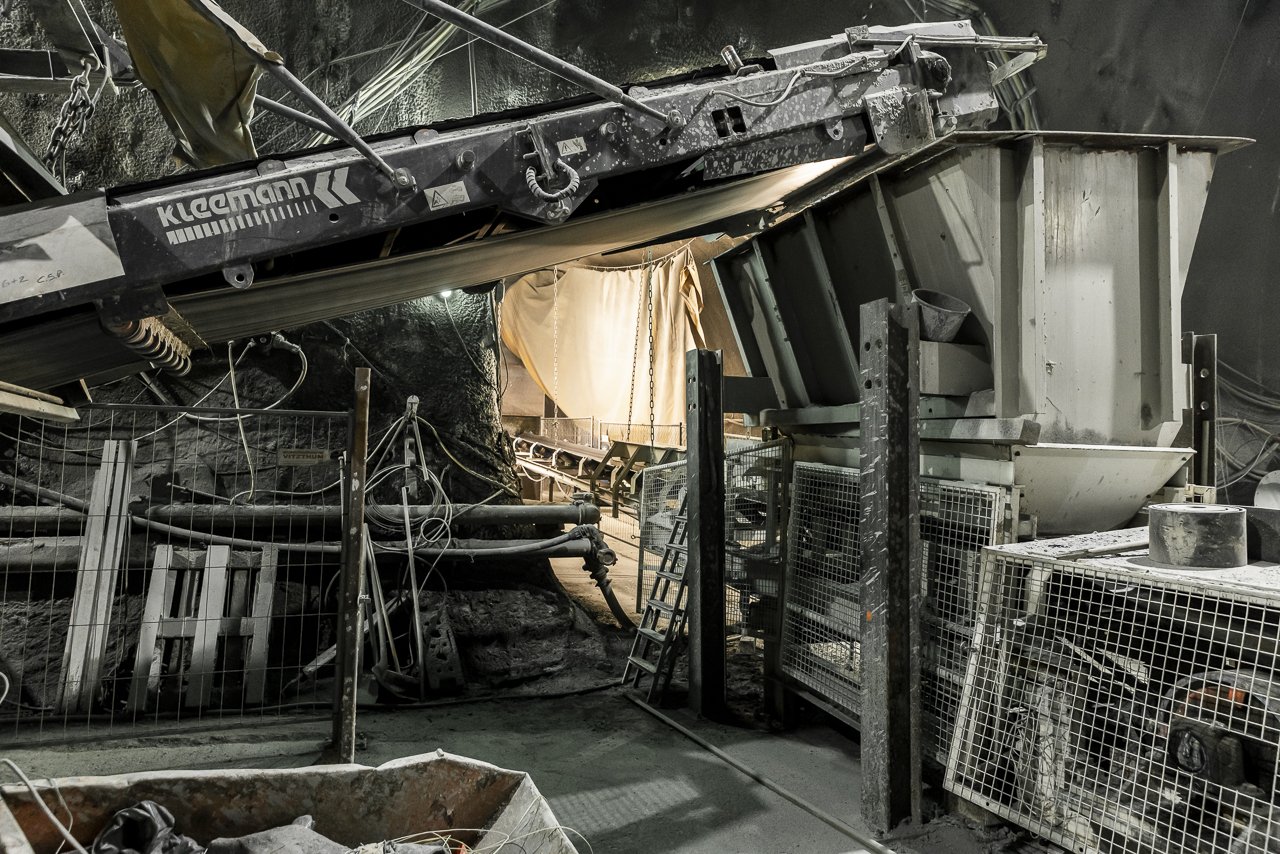
For example, excavated spoil is transported and removed to the disposal sites via an enormous conveyor belt system running through it.
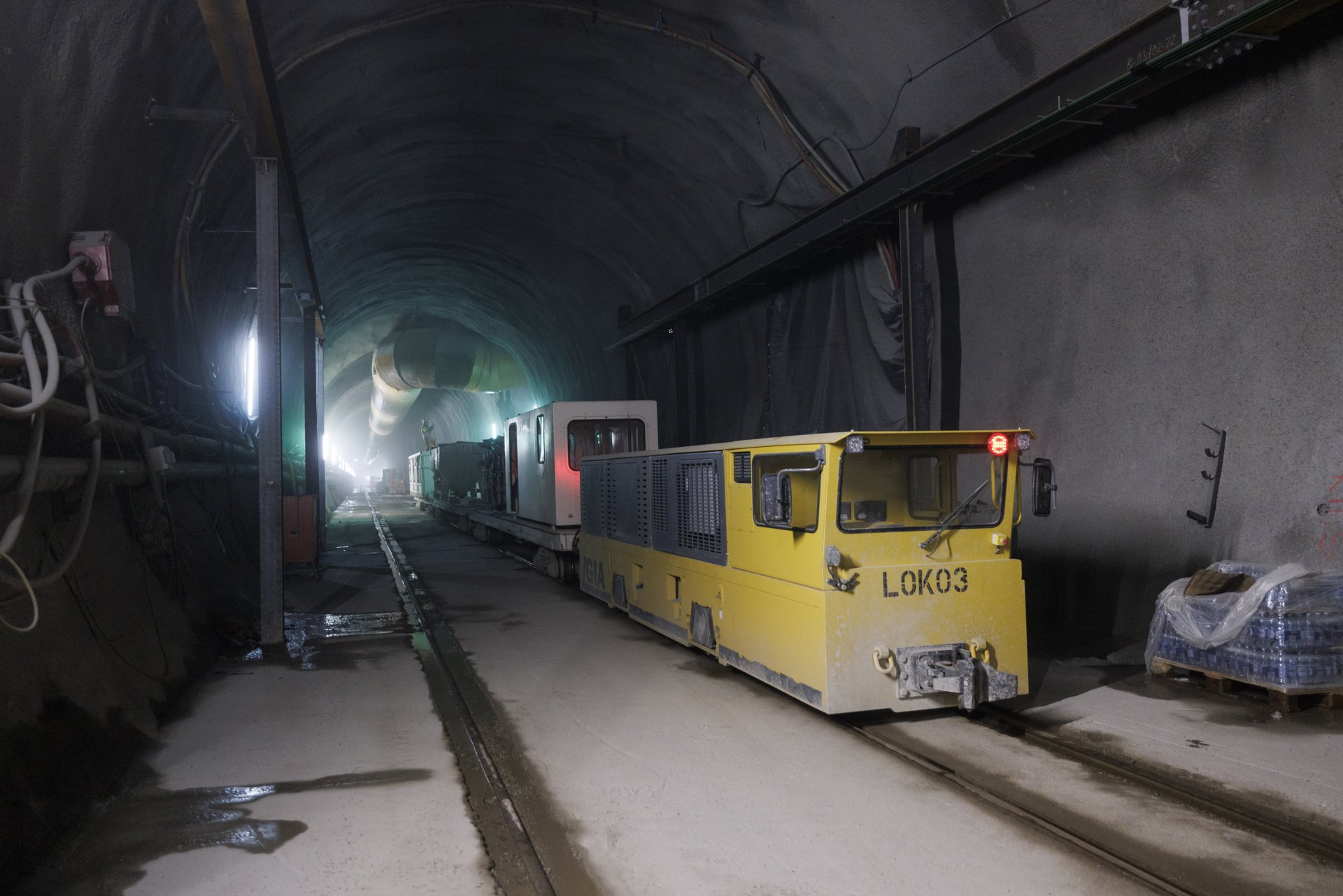
The tunnel is also the access route for construction site vehicles, such as the supply trains moving construction materials inside the tunnel.
Both these logistics functions are important, for construction site operations and for the environment; construction operations are more efficient, because vehicle access through the third tunnel means less traffic in the other parts of the tunnel system, and there is less vehicle traffic to shift spoil outside the tunnel.
THE NEW SERVICE TUNNEL
The functions and the shape of the third tunnel have evolved with the structure of the tunnel itself.
Its own functions and structure have been re-designed to integrate well with the base tunnel and connect with the railway tunnels.
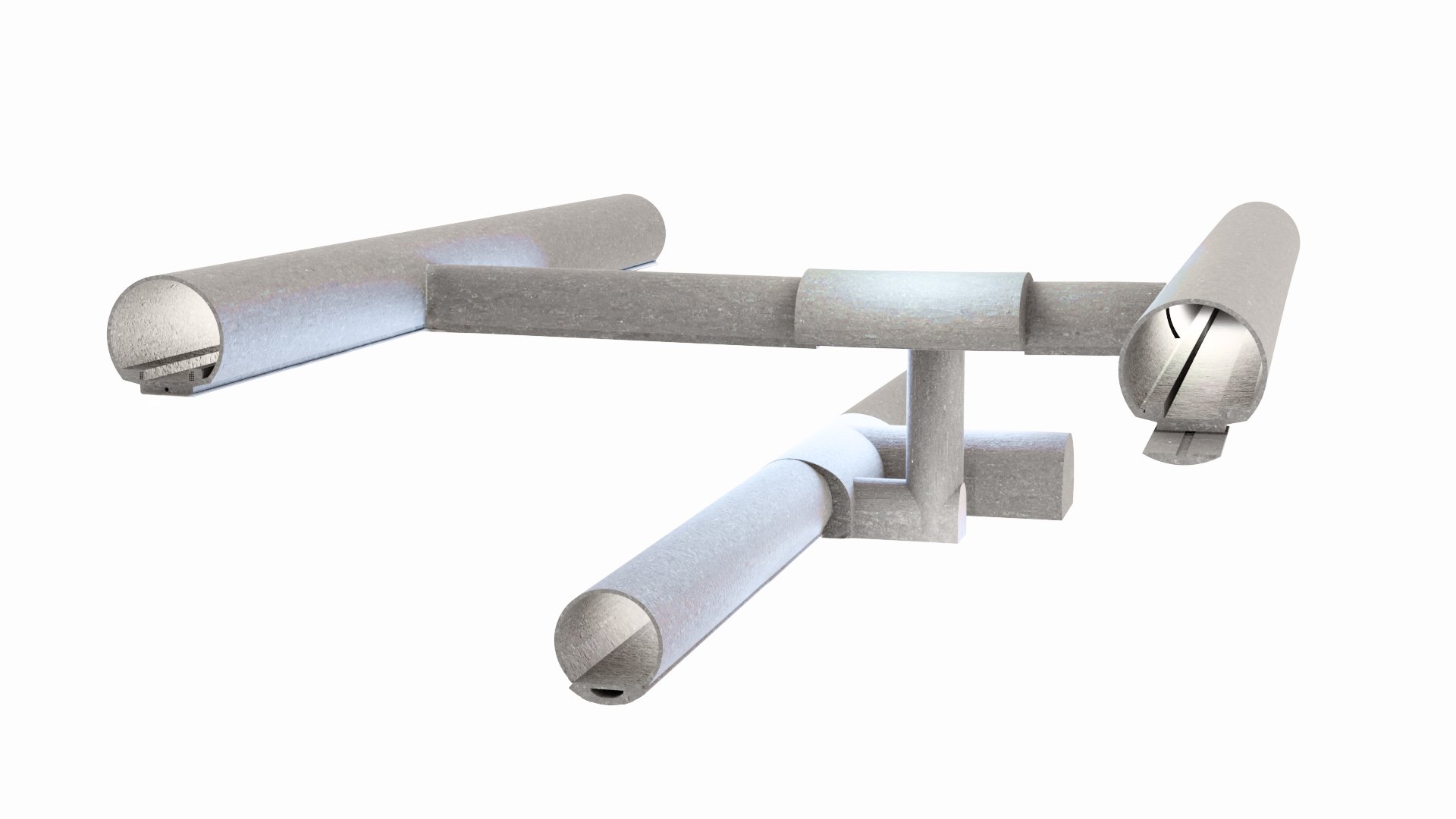
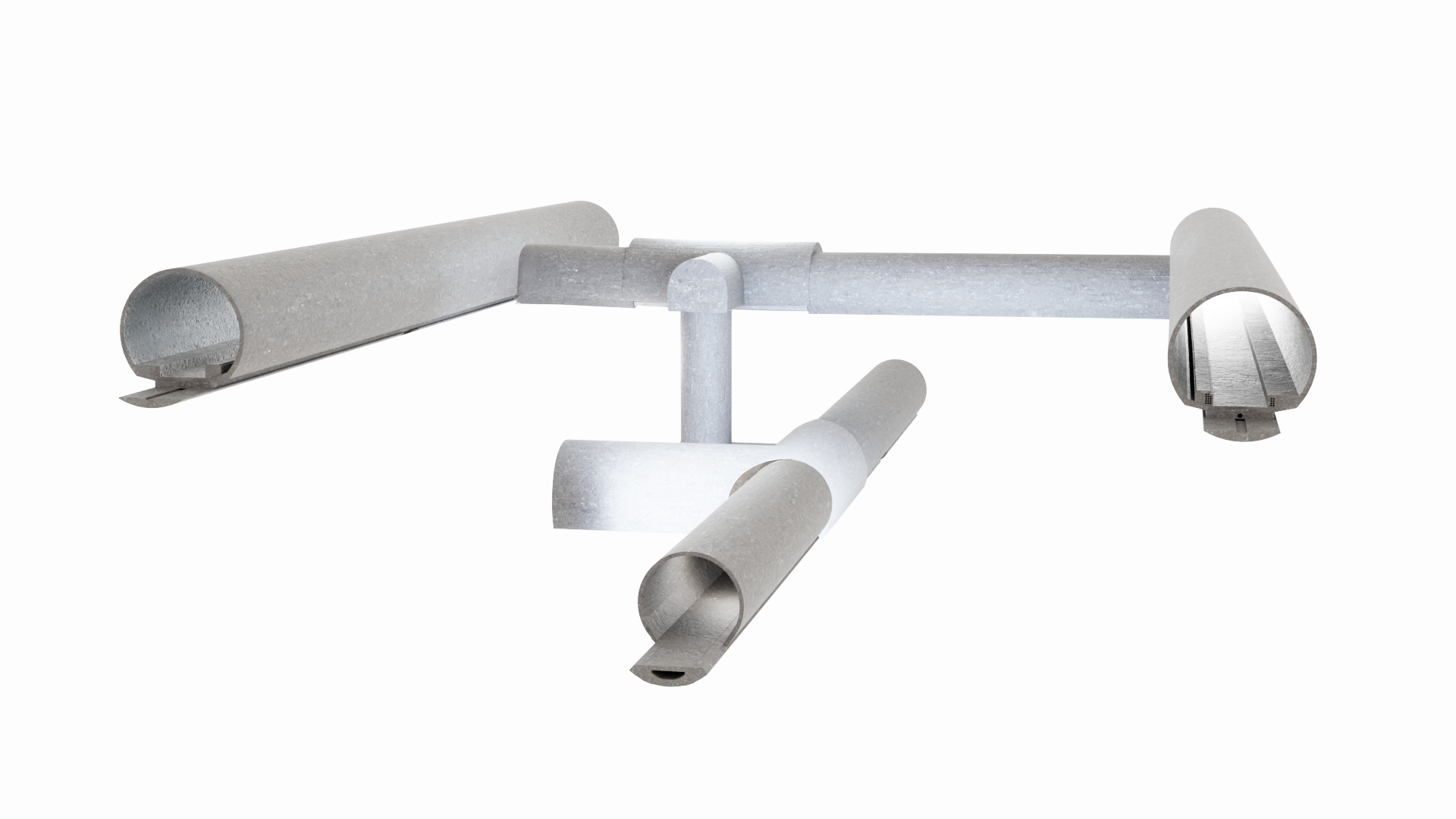
Besides the cross-connecting passages every 333 metres, we also find
- vertical shafts every 1,000 metres, which will directly connect the main rail tunnels with the service tunnel
- niches at the base of the shafts, which will play an essential part in the railway outfitting of the BBT. These niches will hold most of the technical systems and installations required for the operation of the future railway line.
This complex, well-organised structure and its position below the main railway tunnels will further evolve once the BBT goes into operations, taking on an important role for dependability and availability of the railway infrastructure.
THE ADVANTAGES AND FUNCTIONS OF THE SERVICE TUNNEL
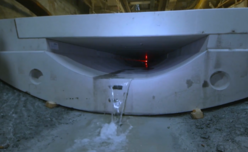
thanks to gravity, the water from the railway tunnels will flow naturally into the service tunnel and then to the outside. The railway tunnels will thus remain dry.
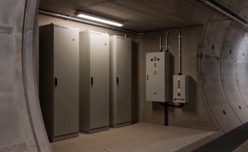
ordinary maintenance can be carried out by teams of technicians inside the service tunnel without interrupting railway operations.
locating the technical systems inside the niches cut down on damage to the systems, for example from dust. This reduces maintenance costs and increases system durability over time.
not having to interrupt railway operations while working on the infrastructure increases efficiency and safety across the entire system, because most maintenance activities can be carried put during the week and during normal work hours.